

How AI is Augmenting, Not Replacing, IT Talent in 2024
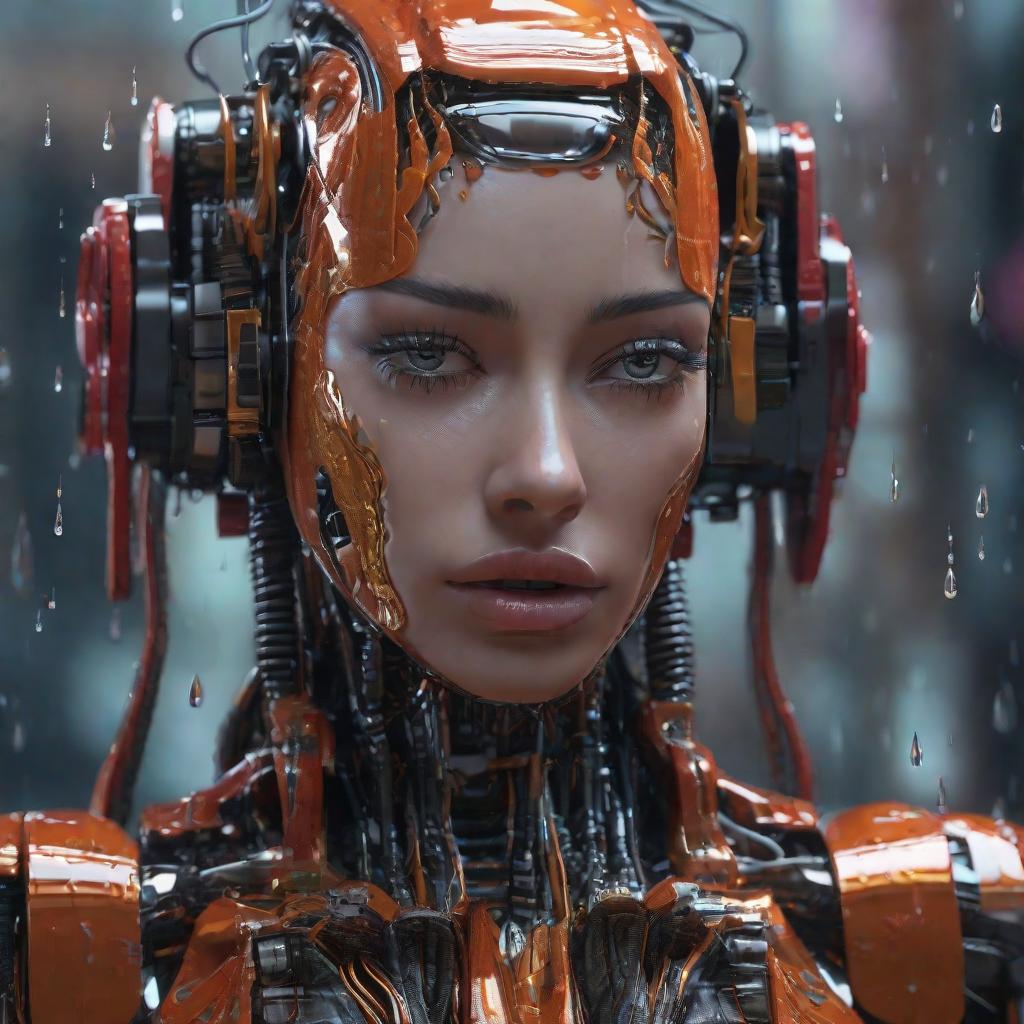
The landscape of information technology is constantly evolving, and with it, the way we work. The rise of artificial intelligence (AI) has sparked anxieties about its potential to replace human workers, particularly in the IT sector. However, a closer look reveals a more nuanced reality: AI is not here to steal jobs, but rather to augment human capabilities, creating a cyborg workforce where humans and machines work together in a symbiotic relationship.
AI as a Force Multiplier
Imagine an IT professional equipped with an AI assistant that can:
- Automate repetitive tasks, freeing up time for more strategic work.
- Analyze vast amounts of data to identify patterns and trends that would be invisible to the human eye.
- Generate creative solutions to complex problems, pushing the boundaries of human ingenuity.
This is not the stuff of science fiction; it is the near future of the IT workforce. AI tools are already being used to automate tasks like data entry, network monitoring, and security patching. And as AI technology continues to develop, its capabilities will only become more sophisticated.
The Rise of the Cyborg Worker
The cyborg worker is not a human replaced by a machine; it is a human empowered by technology. AI will not eliminate the need for IT professionals; it will simply change the nature of their work. In the future, IT professionals will need to be:
- Tech-savvy: They will need to be comfortable working with AI tools and understand their capabilities and limitations.
- Adaptable: They will need to be able to learn new skills and technologies as the landscape of IT evolves.
- Critical thinkers: They will need to be able to analyze the output of AI tools and make informed decisions based on their insights.
The Future of IT Jobs
The rise of AI does not mean that all IT jobs will disappear. In fact, some experts predict that AI will create more jobs than it eliminates. The key will be for IT professionals to focus on developing the skills that AI cannot replicate. These include:
- Creativity: AI can excel at rule-based tasks, but it struggles with creativity. Human IT professionals will be needed to design new solutions, develop innovative strategies, and think outside the box.
- Social intelligence: AI lacks the ability to understand and respond to human emotions. IT professionals with strong social skills will be essential for building relationships with clients and colleagues.
- Leadership: AI can automate tasks, but it cannot lead teams or inspire others. Human IT professionals will be needed to provide vision, direction, and motivation.
Upskilling and Reskilling for the AI Age
The transition to a cyborg workforce will require a significant investment in upskilling and reskilling programs for IT professionals. Governments, educational institutions, and businesses all have a role to play in ensuring that workers have the skills they need to thrive in the AI age.
Here are some specific steps that can be taken:
- Develop AI training programs: Educational institutions need to develop AI training programs that equip students with the skills they need to work with AI tools.
- Provide financial incentives for upskilling: Governments can provide financial incentives, such as tax breaks or grants, to encourage workers to pursue upskilling opportunities.
- Promote lifelong learning: Businesses need to create a culture of lifelong learning and encourage their employees to continuously update their skills.
Conclusion
The rise of AI is not a threat to the IT workforce; it is an opportunity. By embracing AI and developing the skills needed to work alongside it, IT professionals can create a future where humans and machines work together to achieve great things. The cyborg workforce is not a dystopian nightmare; it is a vision of a future where human ingenuity is amplified by technology, leading to a more productive, prosperous, and fulfilling world for all.
Additional Considerations
- The ethical implications of AI need to be carefully considered. For example, it is important to ensure that AI tools are not used to discriminate against or exploit workers.
- The social and economic impact of AI also needs to be addressed. For example, governments need to develop policies to support workers who are displaced by AI.
I hope this blog post has given you some food for thought about the future of the IT workforce in the age of AI. The transition to a cyborg workforce will not be without its challenges, but it also presents an exciting opportunity to create a better future for all.
Comments? Questions?
What did you think of this post? Anything we can clarify for you? We always appreciate feedback and try our best to get back to everyone promptly!
 IT EDU CONNECT
Leave a comment