

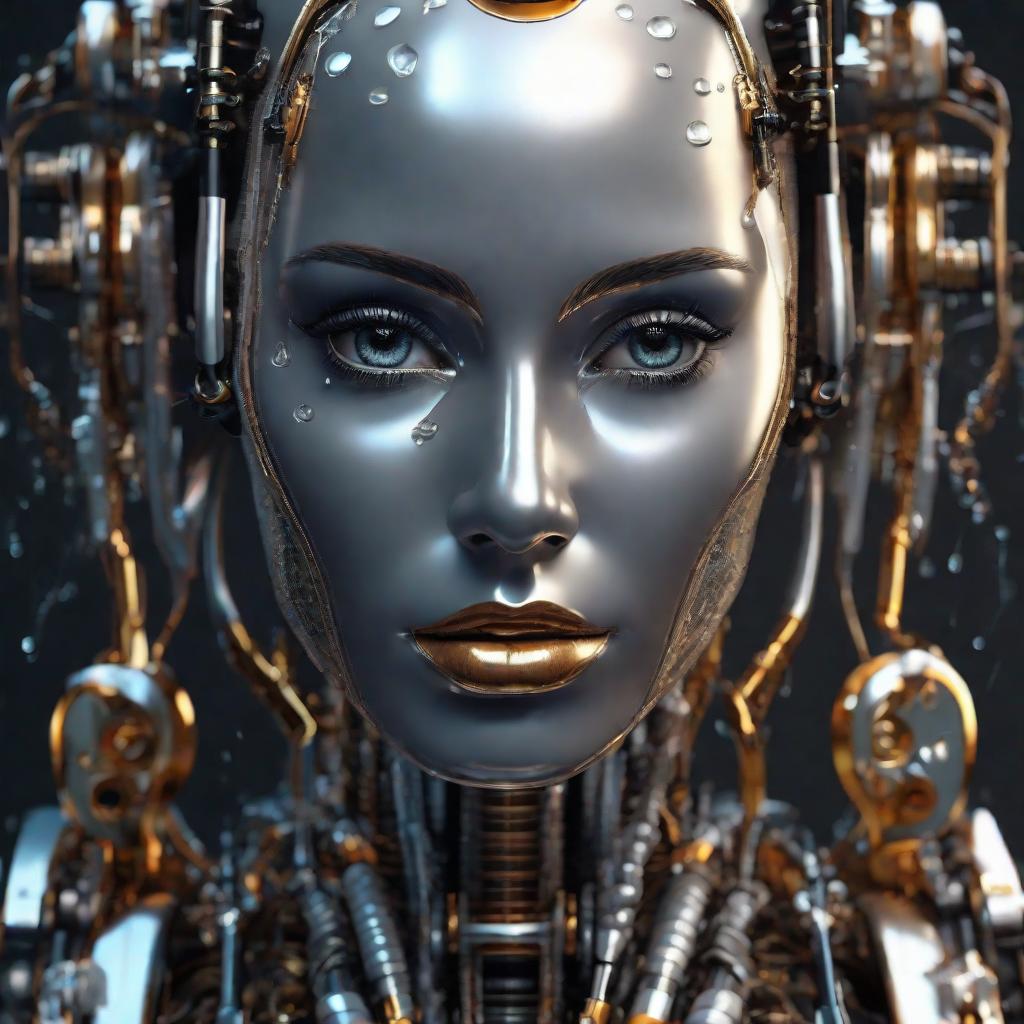
Myth vs. Reality – How Artificial Intelligence is Actually Impacting the IT Industry
Artificial intelligence (AI) has become the buzzword of the decade, igniting both excitement and apprehension. Visions of sentient robots taking over the world dance in our heads, while headlines scream about AI-powered job displacement. But beneath the hype, what’s the real story of AI’s impact on the IT industry?
Myth #1: AI is taking over IT jobs.
While AI automates specific tasks, replacing entire jobs is unlikely. Humans remain irreplaceable in areas requiring creativity, critical thinking, and social intelligence. AI excels at data analysis, pattern recognition, and repetitive tasks, but it lacks the human touch needed for complex decision-making and client interaction. Instead of job displacement, AI will likely augment human capabilities, freeing us from tedious tasks and allowing us to focus on higher-value work.
Myth #2: AI is sentient and poses an existential threat.
Hollywood’s portrayal of AI as self-aware and potentially dangerous is far from reality. Current AI systems are sophisticated algorithms trained on vast datasets, but they lack consciousness or independent thought. They simply follow the patterns they’ve been taught to recognize, making them powerful tools but not existential threats.
Reality: AI is transforming IT from the inside out.
AI’s true impact lies in its ability to revolutionize various IT domains:
- Software Development: AI-powered tools are streamlining coding, automating repetitive tasks, and even generating code, allowing developers to focus on innovation and design.
- Cybersecurity: AI algorithms can analyze vast amounts of data to detect and predict cyber threats in real-time, significantly enhancing security posture.
- Data Management: AI automates data analysis, uncovering hidden insights and driving better decision-making across organizations.
- IT Operations: AI-powered tools manage infrastructure, optimize resource allocation, and predict potential issues, leading to increased efficiency and uptime.
- Customer Service: AI-powered chatbots and virtual assistants provide 24/7 support, personalize customer experiences, and resolve simple issues, freeing human agents for more complex interactions.
AI in Action: Real-world examples of AI impacting IT
- GitHub Copilot: This AI tool suggests code and completes functions, significantly boosting developer productivity.
- Darktrace: This AI-powered cybersecurity platform uses anomaly detection to identify and neutralize cyberattacks in real-time.
- Amazon Rekognition: This AI service analyzes images and videos to extract objects, scenes, and text, enabling a variety of applications like facial recognition and image classification.
- ServiceNow’s IT Operations Management (ITOM): This AI-powered platform automates IT tasks, predicts potential issues, and optimizes resource allocation, streamlining IT operations.
- ManyChat: This AI-powered chatbot platform allows businesses to create chatbots for Facebook Messenger, Instagram, and other platforms, automating customer interactions and providing 24/7 support.
Preparing for the AI Revolution: How IT professionals can adapt and thrive
- Develop AI skills: Upskill yourself in areas like machine learning, data science, and natural language processing to stay relevant and competitive.
- Embrace collaboration: AI is not a replacement for human expertise but a powerful tool to augment your capabilities. Learn to work effectively with AI to maximize its potential.
- Focus on soft skills: While AI excels at technical tasks, human skills like critical thinking, creativity, and communication will remain essential for success in the AI-powered future.
- Stay informed: The AI landscape is constantly evolving. Keep yourself updated on the latest advancements and trends to adapt and thrive in the changing environment.
The AI revolution is not about robots replacing humans, but about humans and machines working together to achieve greater things. By understanding the myths and realities of AI, IT professionals can embrace its transformative potential and shape a future where technology enhances our capabilities and drives progress for all.
Remember, AI is not the enemy, but a powerful tool waiting to be harnessed. Let’s approach it with open minds, a spirit of collaboration, and a focus on using it for good.
Comments? Questions?
What did you think of this post? Anything we can clarify for you? We always appreciate feedback and try our best to get back to everyone promptly!
 IT EDU CONNECT
Leave a comment